
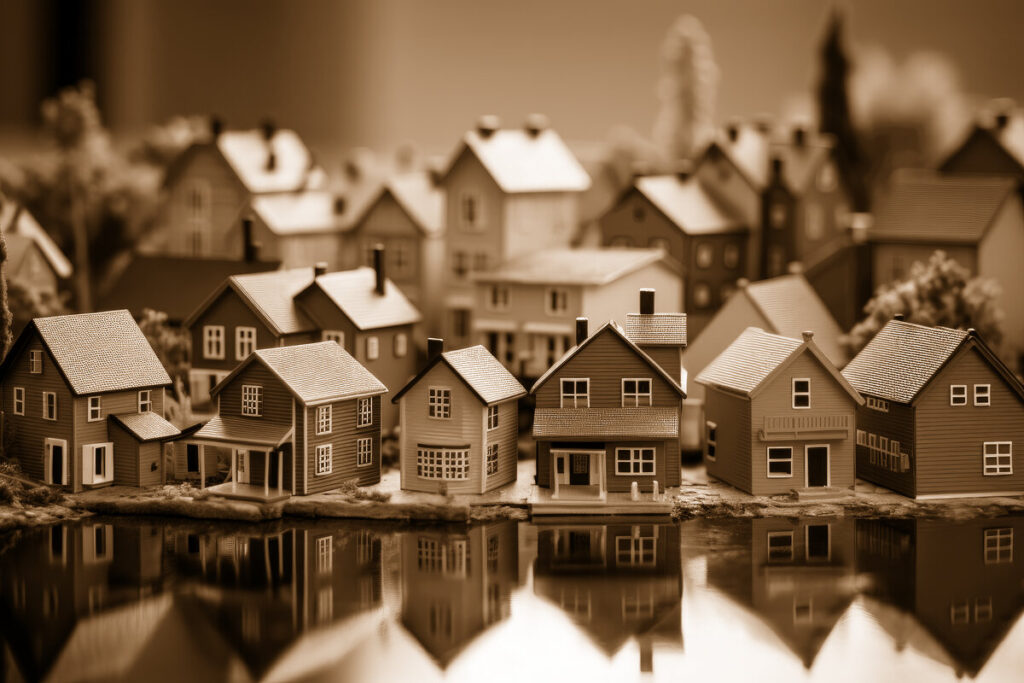
Greenwood, nestled in the heart of Grand Prairie, Texas, is much more than a collection of houses and streets—it’s a living tapestry rich with stories and held together by a strong sense of community. For decades, generations of Grand Prairie residents have called Greenwood home, each leaving a mark and adding new threads to the neighborhood’s vibrant legacy. As you walk along the oak-shaded lanes and pass by charming homes and longstanding institutions, it’s easy to sense the layered history that gives Greenwood its unmistakable character.
The Origins: Naming Greenwood
The story of Greenwood begins in the early 1940s, when Grand Prairie was transitioning from a rural outpost to a bustling suburb of the growing Dallas-Fort Worth Metroplex. The neighborhood drew its name from the lush groves of native oaks and elms that once blanketed much of the area—“Greenwood,” meaning a verdant forest or wood, was a fitting tribute to the natural beauty the residents prized. Oral histories suggest that early community advocates, passionate about preserving the neighborhood’s green spaces, popularized the name as homes and roads began to dot the landscape.
At the time, the city’s expansion was bringing in new families seeking affordable housing and a sense of community, and Greenwood quickly became a magnet for growth thanks to its convenient location and leafy charm.
Key Historical Milestones
- Development in the Postwar Boom: After World War II, Greenwood entered a phase of rapid development along streets like Dalworth Street and Corinth Drive. Returning servicemen and their families were drawn to modest brick bungalows, many of which still grace the neighborhood today. Greenwood Elementary School, established in the early 1950s, became a hub for both learning and community gatherings.
- Civil Rights and Changing Times: In the 1960s, Greenwood witnessed the changes sweeping across Grand Prairie and the nation. The integration of schools and public spaces brought new opportunities and challenges. The local Houseman Avenue Baptist Church stood as a pillar, providing support and unity during times of social transformation.
- Expanding Parks and Recreation: Through the decades, the residents of Greenwood have been tireless advocates for parks and green spaces. The establishment of Greenwood Park, with its playgrounds and ball fields, offered a gathering place for generations of families. This commitment to recreation has remained central to neighborhood life.
- Modern Renovation and Revitalization: The 2000s brought renewed interest from younger families and retirees alike, drawn by Greenwood’s mature trees and classic homes. Initiatives led by the Greenwood Neighborhood Association have promoted the restoration of vintage properties and helped retain the area’s historic charm.
Notable Landmarks and Institutions
Greenwood’s streets are peppered with landmarks and institutions that provide a sense of place and continuity:
- Greenwood Elementary School: Still serving students today, the school on Oakwood Drive is a cherished institution. Alumni proudly recall school plays, talent shows, and spring fairs on the playground, all of which foster deep neighborhood ties.
- First Greenwood Baptist Church: Established in the 1950s on the corner of Dalworth Street, the church is known for its striking brick façade and community outreach programs, from hosting local food drives to organizing annual summer festivals.
- Greenwood Park: Located at the heart of the neighborhood, this sprawling green expanse offers walking trails, picnic tables, and courts for basketball and tennis. It’s a favorite weekend destination for families from Greenwood and beyond.
- Landmark Homes: Many homes along Corinth Drive and Lariat Circle are excellent examples of postwar Texas architecture, featuring modest brickwork, broad shade porches, and handcrafted details. Some houses even display plaques from the Grand Prairie Historical Society, noting their significance.
A Community Evolving with the Times
Like all neighborhoods, Greenwood has changed with the times. The 1980s and 1990s saw the arrival of new residents from across Texas and the globe, adding rich cultural threads to the community fabric. Block parties and neighborly traditions, such as the annual Greenwood Holiday Light Tour on Oakwood Drive, have helped new arrivals feel right at home.
The Greenwood Neighborhood Association, established in the late 1990s, has played a crucial role in preserving Greenwood’s heritage while embracing positive change. From coordinating clean-up days at Greenwood Park to advocating for safer streets and sidewalks, residents demonstrate that a neighborhood’s strength comes from its people.
The Heritage Lives On
What makes Greenwood truly special is the sense of belonging that transcends generations. Grandchildren attend the same schools as their grandparents attended, neighbors look out for one another, and newcomers are welcomed with open arms. Whether it’s a morning stroll beneath the century-old elms lining Houseman Avenue or an evening breeze on a shady porch, the spirit of Greenwood remains grounded in warmth, hospitality, and pride in community.
The neighborhood’s evolution continues as new families bring fresh energy and traditions—yet there’s a shared commitment to honoring what came before. That resilience and neighborly bond remind us that Greenwood isn’t just a place on a map, but a living example of Grand Prairie’s history, heart, and hope for the future.
Come Discover Greenwood
If you find yourself driving down Corinth Drive or stopping by Greenwood Park on a sunny afternoon, take a moment to appreciate the rich heritage all around you. Say hello to a neighbor, listen for the laughter of children playing, and know that you’ve found your way into a corner of Grand Prairie where the past and present blend seamlessly.
Because in Greenwood, history isn’t just something you read about—it’s something you live, every day.